Concrete Leveling
Cost-effective concrete leveling that fixes uneven surfaces without complete replacement.
Fix Sunken Concrete Without Replacing It
Sunken or uneven concrete creates more than just an eyesore. It becomes a trip hazard, causes water pooling, and makes snow removal difficult. When your driveway, patio, or sidewalk settles and creates uneven sections, you might think replacement is the only option. However, concrete leveling offers a faster, less expensive solution that restores your surface to its original level without the mess and cost of complete replacement.
Concrete leveling works by lifting settled slabs back to their proper height. The process is quicker and less disruptive than removal and replacement. You can usually walk on the leveled surface the same day, and it costs significantly less than tearing out and pouring new concrete. This makes leveling an attractive option when your concrete is structurally sound but has simply settled due to soil erosion or compaction underneath.
We use proven leveling techniques to restore your concrete surfaces. Whether you have a sunken driveway section, uneven walkway, or settled patio, we can evaluate if leveling is right for your situation. Not all concrete is a good candidate for leveling, but when it is, you get excellent results at a fraction of the replacement cost. When you choose FWD Wakefield Concrete for leveling services, you get honest assessment and quality work that solves your problem effectively.
How Concrete Leveling Works
Understanding the Process
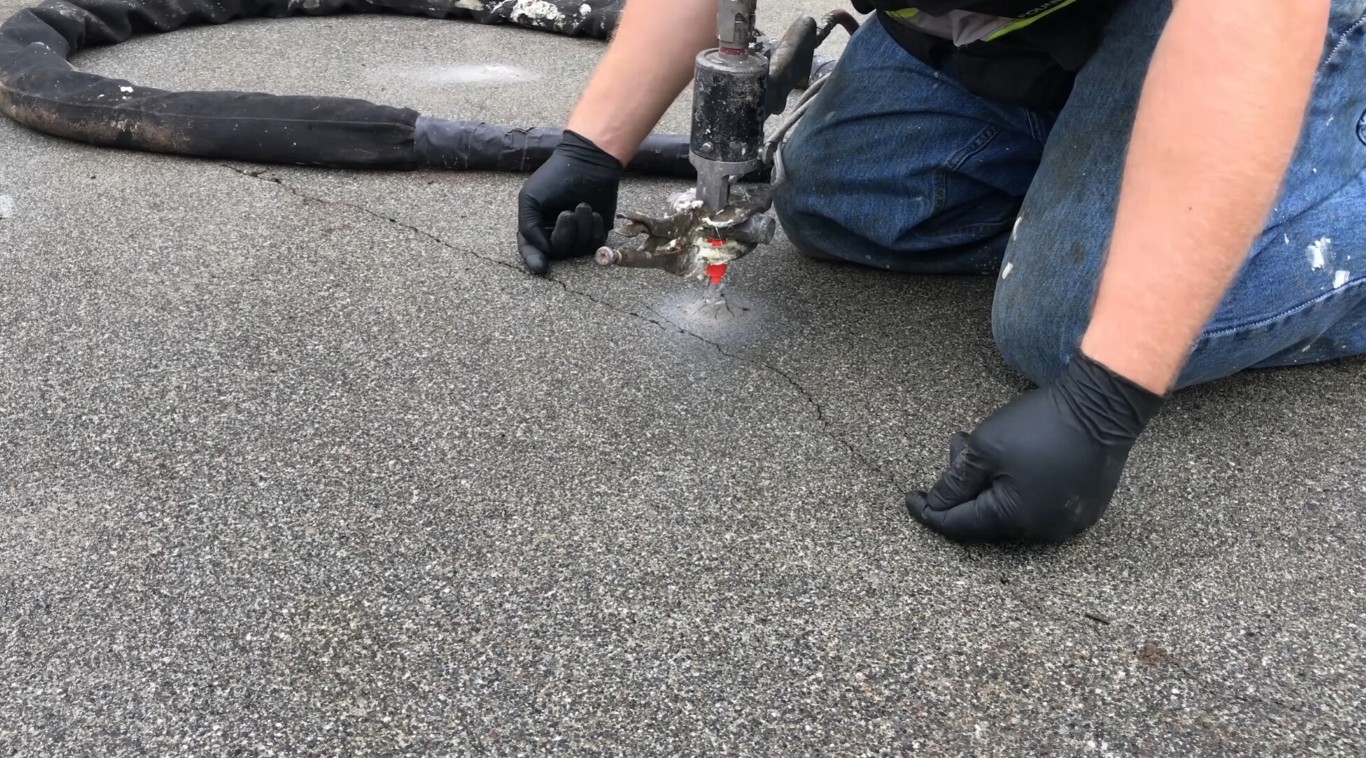
Concrete leveling raises sunken slabs by filling the voids underneath that caused the settling. Small holes are drilled through the concrete at strategic locations. Material is then pumped under the slab through these holes. As the material fills the void and expands, it lifts the concrete back to the proper level. The holes are patched, and you have a level surface again.
Here is what you can expect during a concrete leveling project:
- Thorough evaluation to determine if leveling is appropriate
- Strategic hole drilling in the sunken concrete sections
- Injection of leveling material beneath the slab
- Precise monitoring as the concrete lifts to proper height
- Hole patching that blends with existing concrete
- Joint sealing to prevent water infiltration
- Quick cure time allowing same-day use in most cases
- Cleanup and final inspection of the leveled area
Different leveling methods use different materials. Traditional mudjacking uses a cement-based slurry pumped under the slab. This works well and has been used successfully for decades. Polyurethane foam injection is a newer technique that uses expanding foam. The foam is lighter, cures faster, and requires smaller injection holes. Both methods can effectively lift concrete when applied correctly by experienced professionals.
The success of leveling depends on the condition of your concrete and the soil beneath it. Concrete that is badly cracked or broken may not be a good candidate. If the soil continues to erode or wash away, leveling may only provide temporary improvement. We evaluate these factors before recommending leveling. In some situations, addressing drainage problems or stabilizing the base may be needed along with leveling to achieve lasting results.
When Leveling Makes Sense
Choosing Between Leveling and Replacement
Concrete leveling is ideal when your slabs are structurally sound but have settled unevenly. This commonly happens with driveways, sidewalks, patios, and garage floors. If the concrete surface is in good condition without major cracking or deterioration, leveling can restore it to proper grade. You save money compared to replacement and avoid the disruption of removing and re-pouring concrete.
Trip hazards are a major reason homeowners choose leveling. When a sidewalk or walkway section settles, it creates an uneven lip that people can trip over. This poses liability concerns and safety risks for your family and visitors. Leveling eliminates these hazards by bringing sections back to a uniform height. The repair is quick, and you do not need to close off the area for extended periods while new concrete cures.
Drainage issues often result from settled concrete. When sections sink below the surrounding grade, water pools instead of draining away. This leads to ice formation in winter and can contribute to further soil erosion. Leveling restores proper slope so water flows off the surface as intended. For severe drainage problems, we may recommend combining leveling with other solutions to ensure water management works correctly. If you also need concrete repair for cracks or damage, we can coordinate multiple services efficiently.
Replacement makes more sense when concrete is extensively damaged, badly cracked, or at the end of its useful life. If your concrete has significant structural problems, leveling will not solve them. We provide honest assessments of whether leveling or replacement is the better investment for your situation. Sometimes a combination approach works best, where we level what can be saved and replace only the worst sections. This balanced approach can save you money while ensuring your concrete performs well. We also handle complete driveway replacement when that is the right solution.
Concrete Leveling Questions and Considerations
The cost of leveling is typically 50 to 70 percent less than replacement. Exact pricing depends on how much material is needed and the size of the area being leveled. Multiple sunken sections cost more than a single area, but leveling is still usually more economical than removal and replacement. We provide detailed estimates after evaluating your specific situation.
Preventing future settling involves addressing the cause of the original problem. If poor drainage caused soil erosion, improving drainage prevents recurrence. If soil was poorly compacted during construction, additional voids may develop over time. We look at the underlying causes and recommend solutions to minimize future problems. Sometimes simple improvements like better gutter drainage or landscape grading can make a significant difference.
Maintenance after leveling is straightforward. Seal any cracks that develop to prevent water infiltration. Keep drainage working properly to avoid soil erosion beneath the concrete. Avoid excessive weight or loads that could cause additional settling. With proper care, leveled concrete can serve you well for many years. Regular inspection helps you catch small problems before they become major issues requiring additional work.