Concrete Repair & Replacement
Expert concrete repair services that restore function and appearance to damaged surfaces.
When to Repair or Replace Your Concrete
Cracks, settling, and surface damage are common problems that affect concrete over time. While concrete is incredibly durable, factors like ground movement, freeze-thaw cycles, and heavy loads can cause issues that need professional attention. The good news is that many concrete problems can be repaired before they require complete replacement. We help you understand what can be fixed and when replacement makes more sense for your situation.
Small cracks and minor surface damage often respond well to repair. Hairline cracks can be sealed to prevent water infiltration and further deterioration. Larger cracks may need routing and filling with specialized repair compounds. If the concrete is still structurally sound but has surface issues, repair is usually the most economical option. However, when concrete has extensive cracking, significant settling, or structural failure, replacement delivers better long-term results.
We evaluate your concrete to determine the best course of action. Our assessment considers the extent of damage, the age of the concrete, and how the surface is used. Sometimes repairing one section makes sense while replacing another. We provide honest recommendations based on what will serve you best. Whether you need minor crack repair or complete driveway replacement, we have the expertise to handle your project professionally.
Common Concrete Problems We Fix
Identifying and Addressing Concrete Issues
Concrete can develop various problems over its lifespan. Understanding what causes these issues helps you address them before they become bigger headaches. We regularly repair and replace concrete affected by settling, cracking, spalling, and other common problems that occur in our climate.
Here are the concrete problems we commonly repair:
- Cracks from settling, shrinkage, or ground movement
- Sunken or uneven sections creating trip hazards
- Spalling and surface deterioration from freeze-thaw damage
- Scaling caused by deicing salts or poor finishing
- Pitting and pop-outs from aggregate problems
- Edge damage and broken corners
- Staining from oil, rust, or other materials
- Structural cracks that compromise integrity
Settling happens when the ground beneath concrete shifts or compacts unevenly. This creates sunken areas that collect water and become trip hazards. In some cases, we can lift and level sunken concrete using specialized techniques. When lifting is not feasible, replacing the affected section restores a level, safe surface. We address the underlying cause to prevent the problem from recurring.
Freeze-thaw damage is particularly common in Massachusetts. Water gets into small cracks or surface pores, freezes and expands, then thaws and contracts. This cycle breaks down the concrete surface over time, causing spalling where the top layer flakes off. Proper repair involves removing damaged concrete, preparing the surface, and applying durable repair materials designed to resist further freeze-thaw damage. For severely damaged surfaces, replacement with properly air-entrained concrete prevents future problems.
Our Concrete Repair and Replacement Process
Professional Solutions for Damaged Concrete
Every repair project starts with thorough evaluation. We examine the damage, determine the underlying cause, and recommend the most effective solution. This assessment considers factors like the size and location of damage, the age and condition of surrounding concrete, and how you use the surface. Our goal is to provide repairs that last and prevent similar problems from developing.
For crack repair, we start by cleaning and preparing the damaged area. Small cracks are routed out slightly to create space for the repair material to bond properly. We use high-quality repair compounds that flex with the concrete and resist weather damage. Larger cracks may need additional reinforcement or full-depth repair where we remove and replace the damaged section. Control joints are added if needed to manage future movement and prevent new cracks.
Surface repairs address spalling, scaling, and other deterioration that affects appearance and function. We remove loose or damaged concrete, clean the surface thoroughly, and apply repair materials that bond well and match the existing concrete. For extensive surface damage, resurfacing the entire area creates a uniform appearance and extends the life of your concrete. We can also apply decorative finishes during repair to improve the look of older concrete.
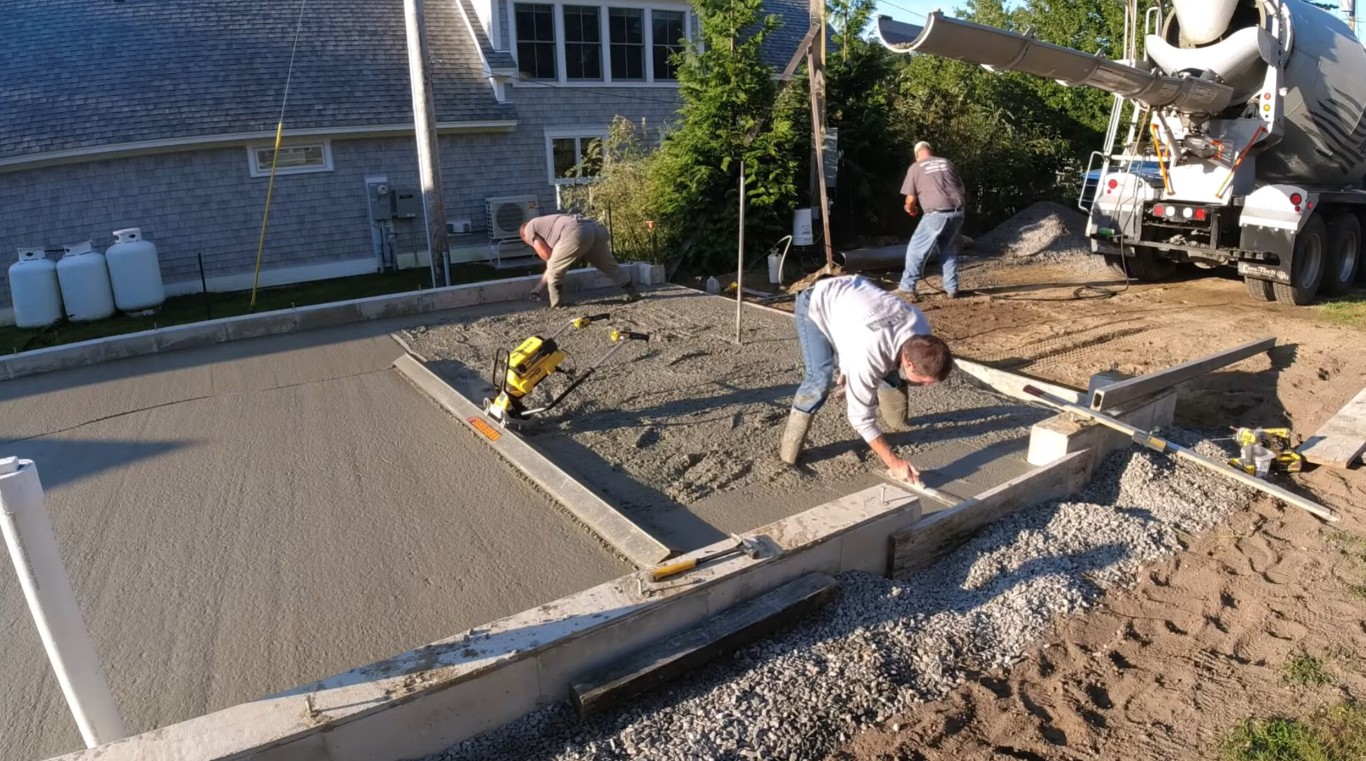
When replacement is the best option, we remove the damaged concrete and prepare the area for new installation. This includes addressing any base or drainage issues that contributed to the original problem. We install new concrete using the same quality standards and attention to detail as our new construction projects. The result is a durable surface that performs well for decades. We can replace individual sections to match existing concrete or handle complete replacements for patios, driveways, or walkways.
Repair vs. Replace Decision and Maintenance
Deciding between repair and replacement depends on several factors. If damage is localized to a small area and the rest of the concrete is in good condition, repair often makes economic sense. However, if your concrete has multiple problem areas, is nearing the end of its useful life, or has structural issues, replacement may be the better investment. We help you weigh the costs and benefits of each option.
Age plays a role in this decision. Concrete that is 20 or 30 years old and showing significant wear may be ready for replacement. Repairing one section may just postpone inevitable problems elsewhere. A full driveway replacement gives you a fresh start with modern materials and techniques that deliver better performance. You also get the opportunity to improve drainage, add decorative elements, or redesign the layout to better suit your current needs.
Proper maintenance extends the life of both repaired and new concrete. Seal cracks promptly to prevent water infiltration. Clean your concrete regularly and avoid harsh chemicals. Apply concrete sealer every few years to protect the surface. During winter, use sand or non-salt ice melters to avoid damage from deicing chemicals. These simple steps help your concrete last longer and reduce the need for future repairs.